You can feel grateful for your life and still feel emotionally unsettled in it.
That’s something I didn’t have words for for a long time. But it’s probably the truest thing I can say about what it actually feels like to live abroad — not the version you post about, but the version you lie with at night.
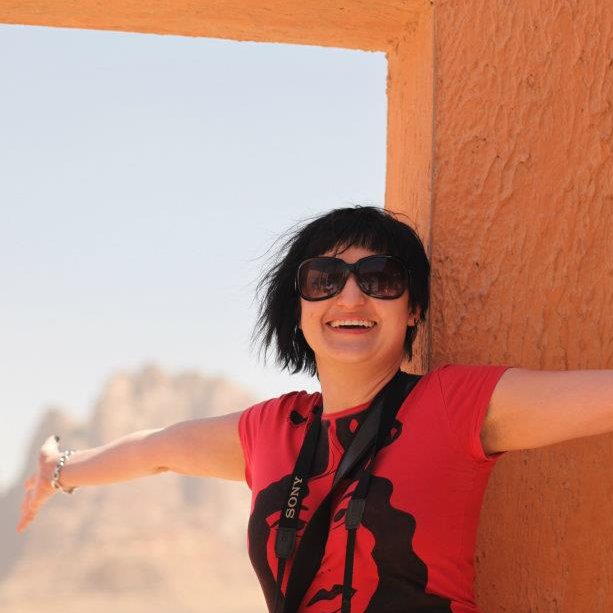
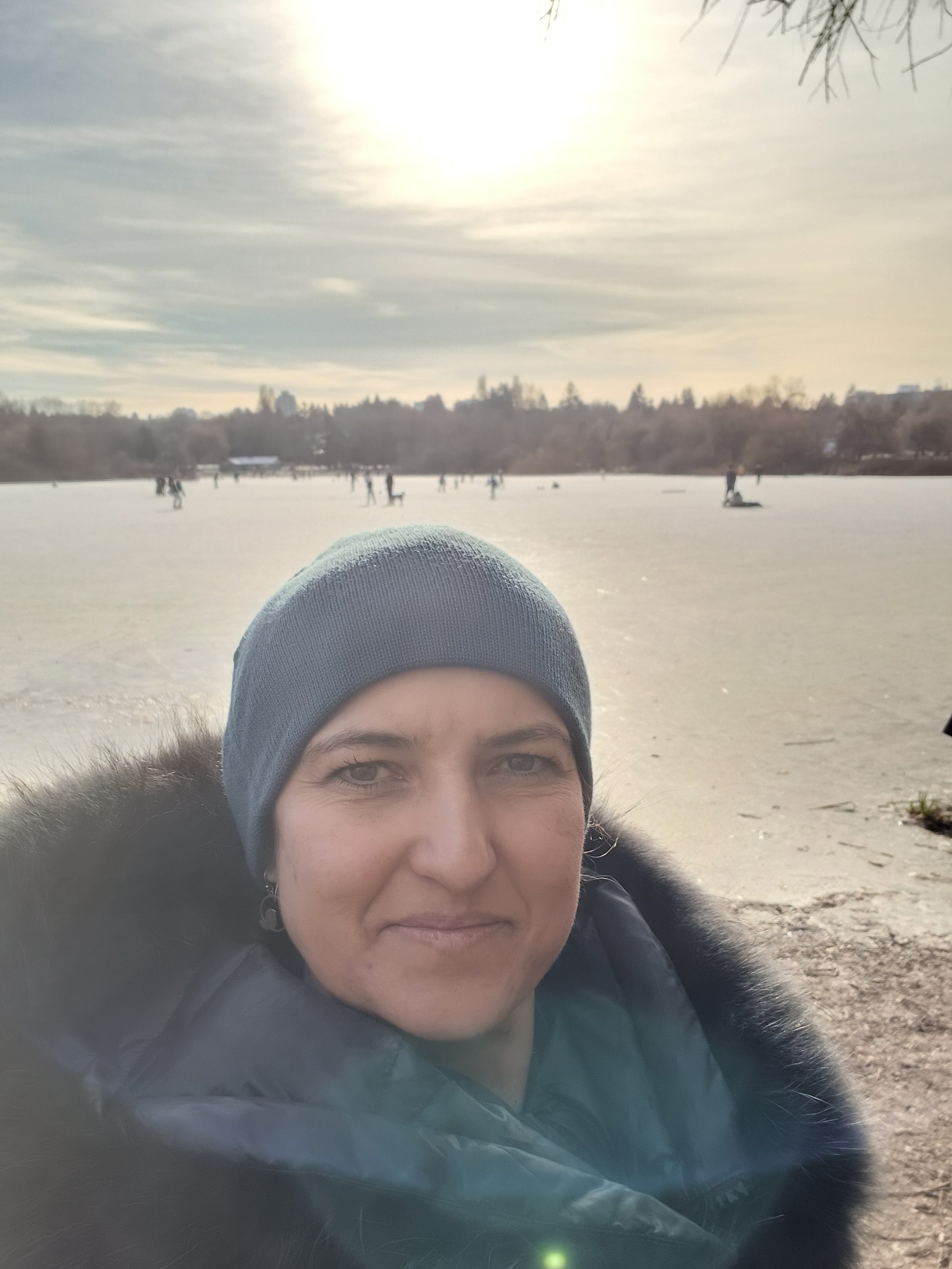
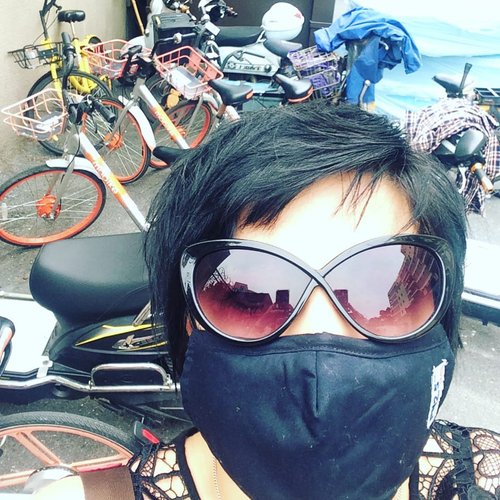
I’ve lived in 13 countries over 23 years. Vietnam, Russia, Chile, China, Japan, Canada, Kuwait. On the outside, it looked like an adventure. And it was. But there was always another layer underneath that was much harder to describe.
Starting over. Again. Learning a new culture, a new language, a new version of yourself that fits the place you’ve landed in. Rebuilding friendships from scratch. Wondering, quietly, whether you still know who you are underneath all that adapting.
That’s the part nobody really talks about.
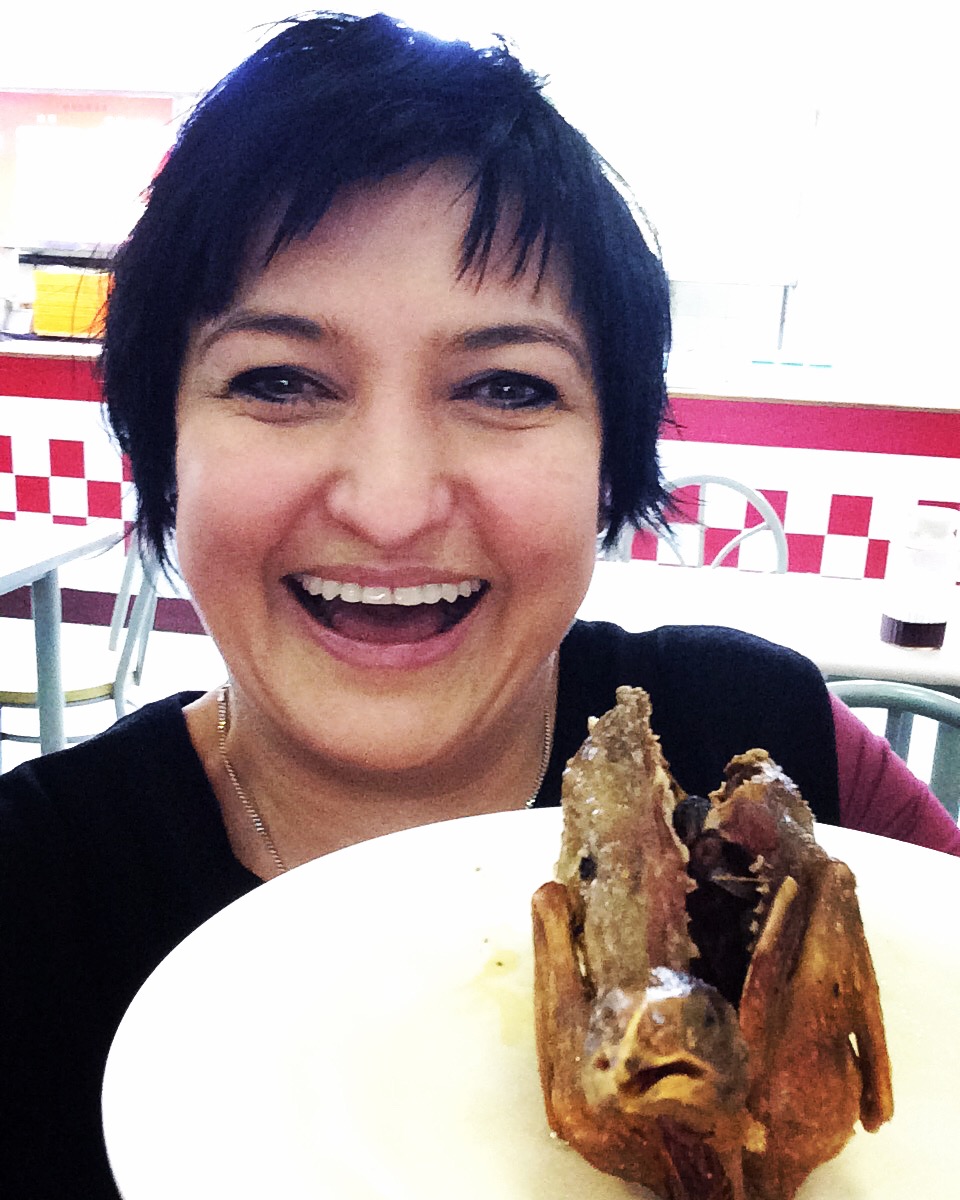
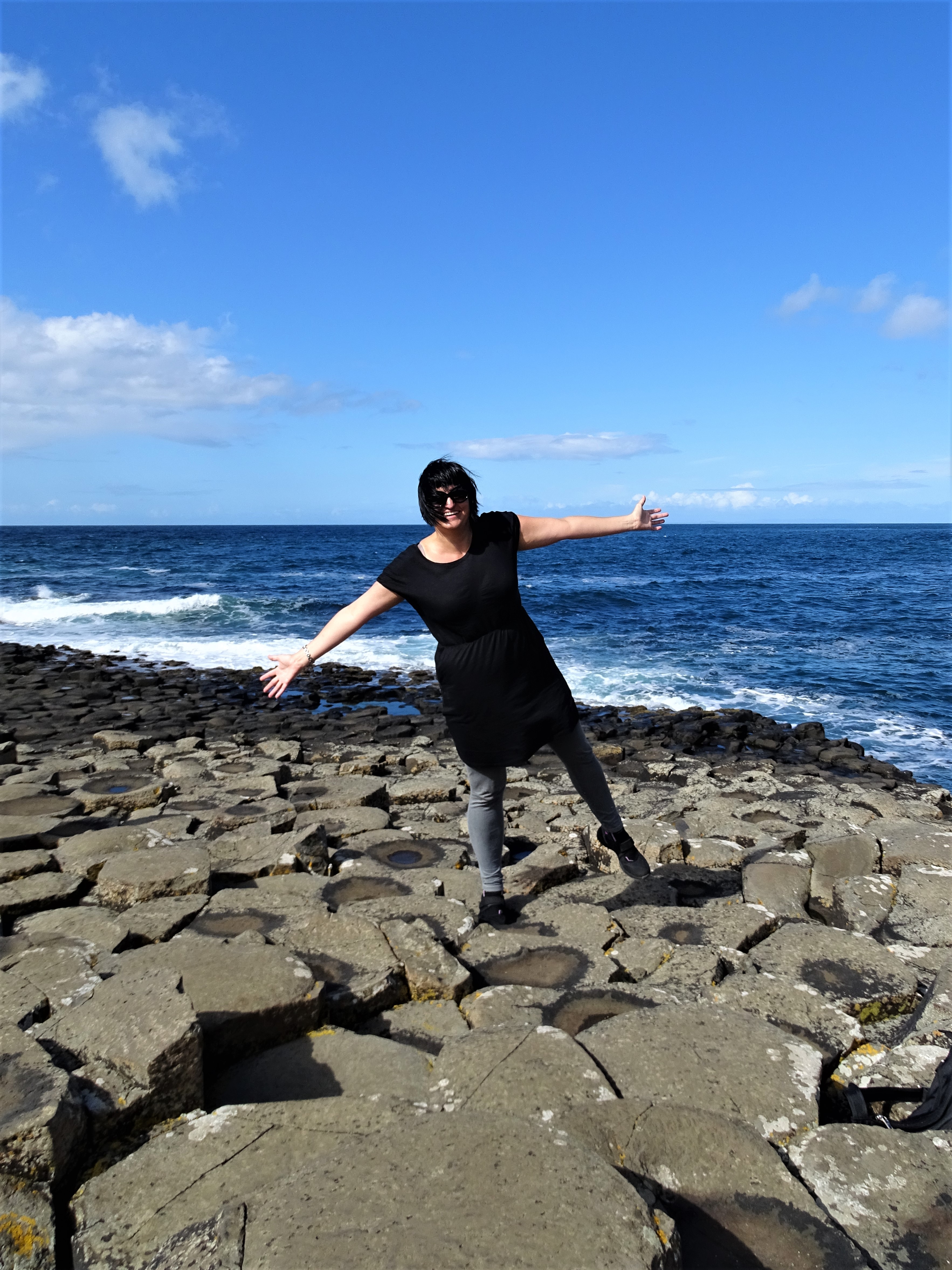
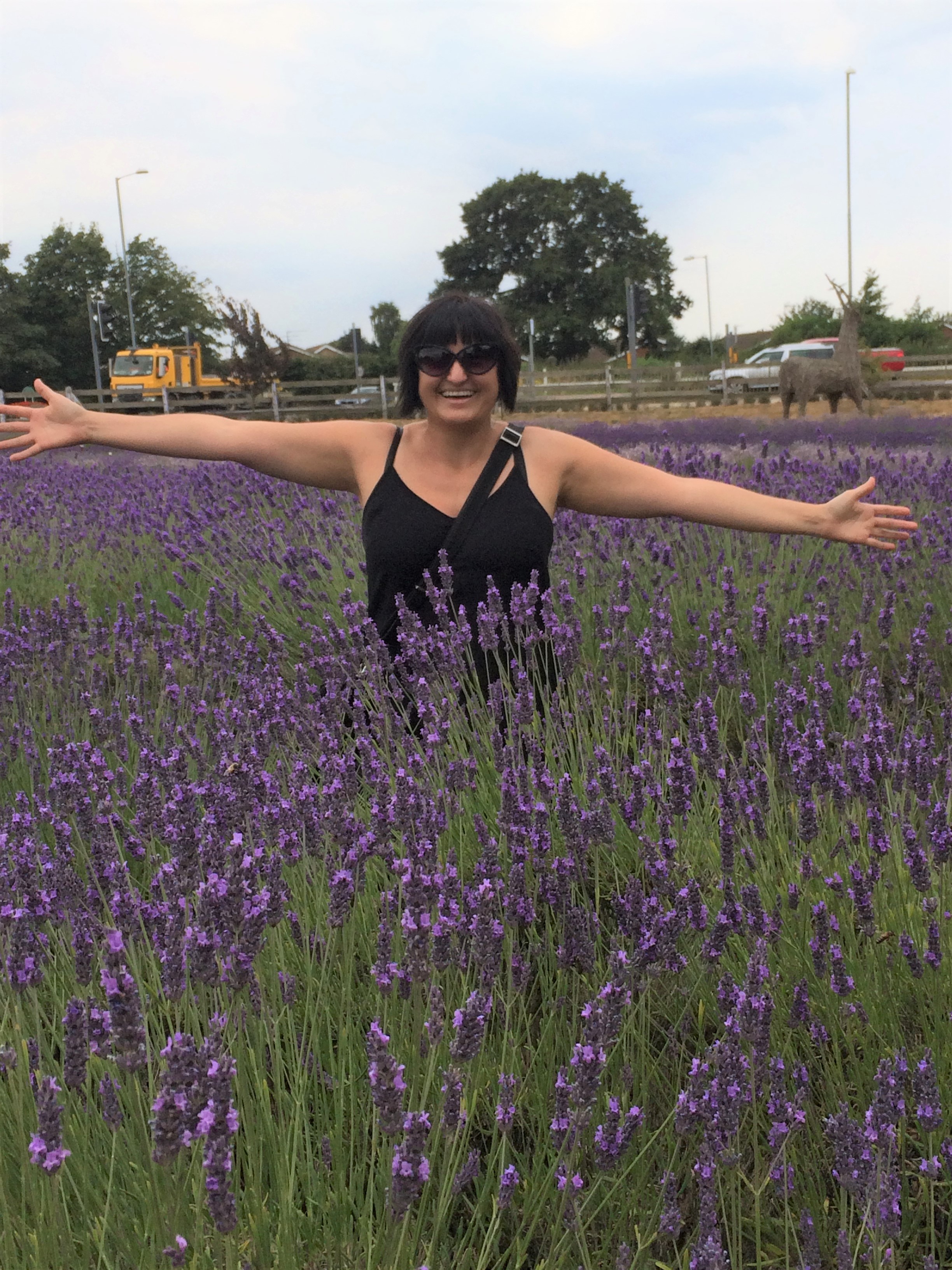
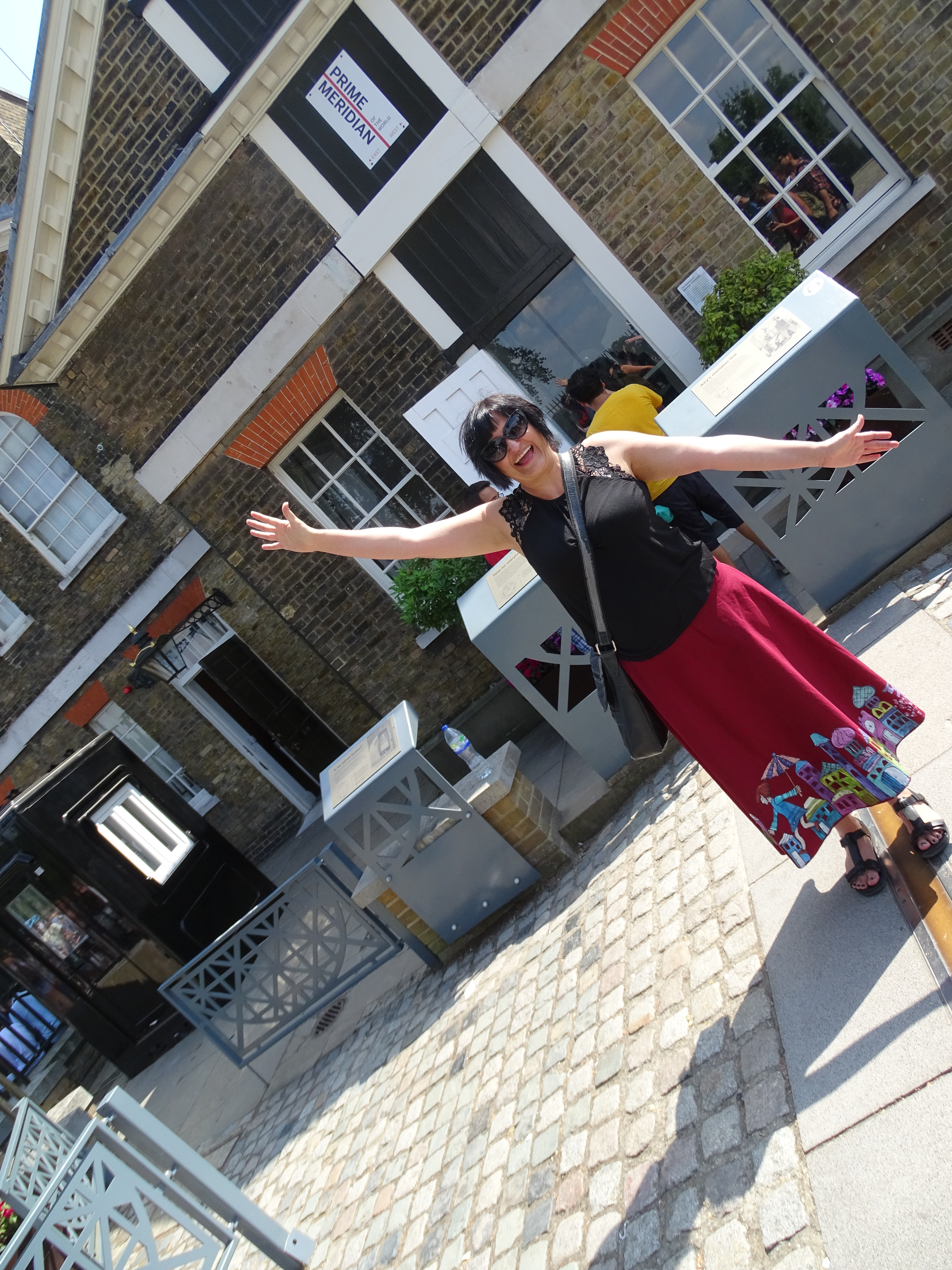
I grew up in South Africa, on a smallholding surrounded by animals, nature, books, and art. My mother encouraged creativity not as a structured lesson but as a way of being — painting afternoons, ceramics, collage. It was simply how we moved through life.
I also spent long stretches of childhood in hospital, recovering from hip and leg operations. Those quiet, uncertain rooms taught me something early: when the world gets small and words run out, you turn to what you can make with your hands. I drew. I created. I didn’t know then that I was already learning how to process what I couldn’t yet explain.
That pattern followed me into every country I’ve ever lived in.
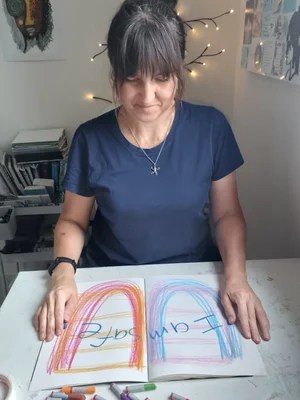
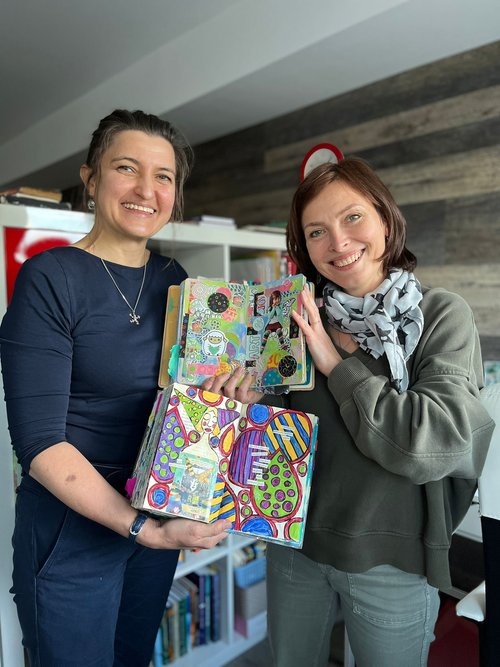
Painting and Kung Fu in Vietnam. Swimming and collage in Russia. Crochet and art journaling in Kuwait. At the time I just thought — this is what keeps me okay. But looking back, I can see what was really happening. I wasn’t just passing time. I was coming back to myself, over and over, through the act of making something.
For a long time, though, I coped the way a lot of us do. I stayed busy. I adapted. I pushed through.
And I was good at it. I am good at it.
But surviving and healing are not the same thing — and at some point, that gap became impossible to ignore.
Therapy, journaling, movement, and creativity slowly became part of my own process. Not to fix anything. Not to arrive somewhere. But to finally feel what I had been carrying. To let some of it take form outside of me instead of just living quietly in my body.
This was when I first encountered art therapy properly. I remember the feeling of recognition — not because it was new, but because it was language I had already been using my whole life. I just didn’t have a name for it yet.
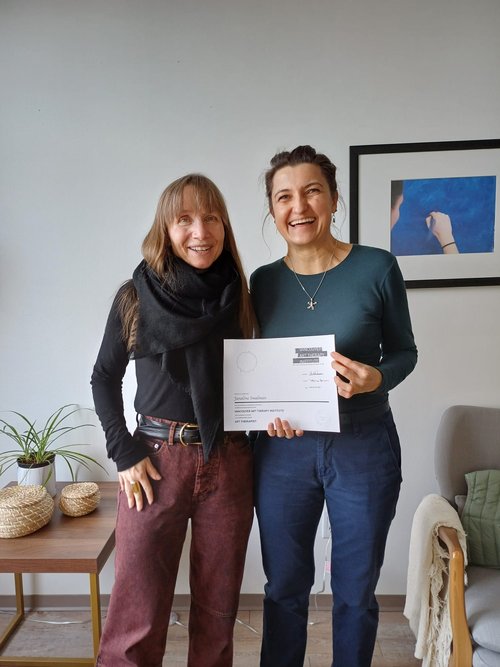
That eventually led me to formal training in Vancouver. And then, slowly, to building Healing Art Journey.
The women I work with are usually functioning well on the outside.
They are building lives and careers and routines in countries that aren’t their own. They are showing up. They are adapting. They are, by most measures, doing fine.
But internally, there is often something that doesn’t quite settle. A tiredness that isn’t fixed by rest. A loneliness that exists even inside a full life. A sense of not fully belonging anywhere — not back home, not quite here either. Just somewhere in between.
And often, they’ve already tried to think their way through it.
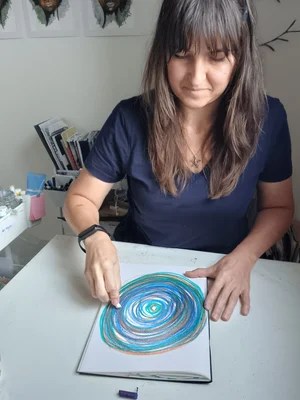
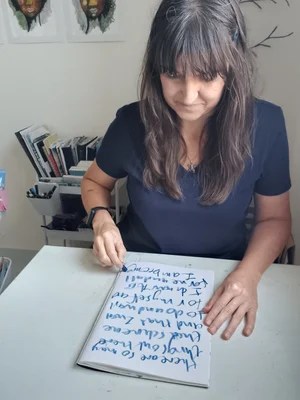
What I’ve learned — both from my own life and from working with women through this — is that the experience doesn’t live in thoughts alone. It lives in the body. And sometimes the most direct route to it isn’t more analysis or more words, but making something. Letting something that has been internal take a form outside of you, even if it’s simple, even if it’s messy, even if you don’t fully understand what it means yet.
That’s what therapeutic art is for me. Not about talent. Not about producing beautiful things. About expression. About giving something that has been wordless a place to exist.
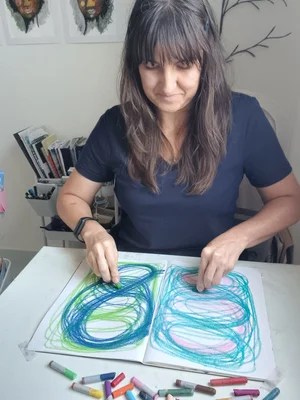
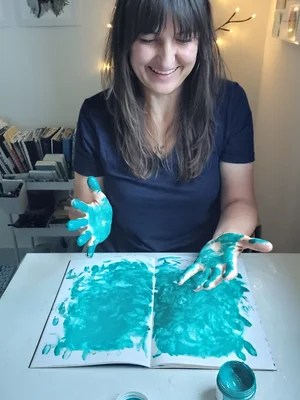
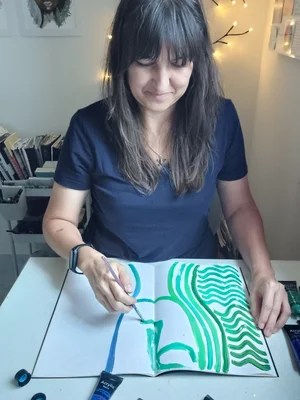
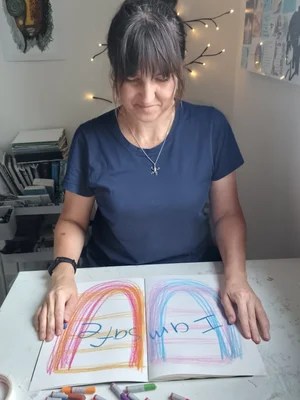
If you’re reading this and something in it sounds familiar — the gratitude and the unsettledness living side by side, the sense of carrying more than you can quite name — I made something for you.
It’s a free workbook called Healing While Abroad. It’s gentle and it’s honest, and it’s a place to start.
You don’t have to have everything figured out before you pick it up. You just have to be willing to slow down for a moment and listen to what you’ve been carrying.


This is why you live such a full life, you do not do anything haphazardly. Althoug I know you fo
LikeLike
Thank you so much. I think it has taken me some years to start living more intentionally, but now that I do, I enjoy this adventure so much more. I love that my journey has taken me to a place where I can share and help others because of what I have been through and experienced.
LikeLike