
Moving abroad is often described as exciting.
A fresh start.
A new adventure.
A chance to build a different life.
And sometimes it is all of those things.
But what many of us don’t expect is that alongside the excitement, there can also be grief.
Not a dramatic grief.
Not even always obvious sadness.
Sometimes it’s quieter than that.
It can feel like emotional heaviness that you just can’t explain.
Like being unsettled even when things are going well for you.
Like missing something you just can’t name.
As a Therapeutic Art Facilitator working mainly with expats, this is something I see often.
It’s also something I’ve experienced myself throughout many years of living abroad.
I know what it feels like to arrive somewhere new carrying excitement and grief at the same time. To build a life that looks meaningful on the outside while quietly feeling emotionally untethered inside it.
Many of the women I support understand their experience logically. They know why they moved. They know it was the right decision. They know that change is hard at first and trust that things will get easier.
But emotionally, something still feels unbalanced or off.
And often, they begin to wonder: “Why don’t I feel settled yet?”
There were many moments in my own life when I would sit in a new apartment in a new country thinking:
“I wanted this life, I’ve worked so hard to get here… so why do I feel so lost inside it?”
Nothing was necessarily wrong. But internally, I just felt disconnected from myself in a way I couldn’t explain logically.
The Grief of Leaving a Life Behind
Grief is not only about losing something you didn’t choose.
Sometimes grief comes from leaving behind something that mattered.
When we move abroad, we leave more than a country.
We leave:
- familiar routines
- friendships and family
- cultural comfort
- places connected to memory
- versions of ourselves that existed there
Even when the move is deeply wanted, there are still losses happening at the same time.
But because the focus is often on the opportunity and the “new life,” many of us don’t give ourselves permission to acknowledge what has been left behind.
So the grief stays unspoken.
And when feelings finally surface, expats often think something has gone wrong.
For a long time, I thought I just needed to adapt better. To be more positive. More grateful. More resilient.
I didn’t realise I was grieving.
“But I Chose This Life…”
This is one reason expat grief can feel confusing.
From the outside, it may look like someone is living their dream.
They chose to move.
They wanted the experience.
Maybe they even worked hard for it.
So when difficult emotions appear, people can feel guilty for struggling.
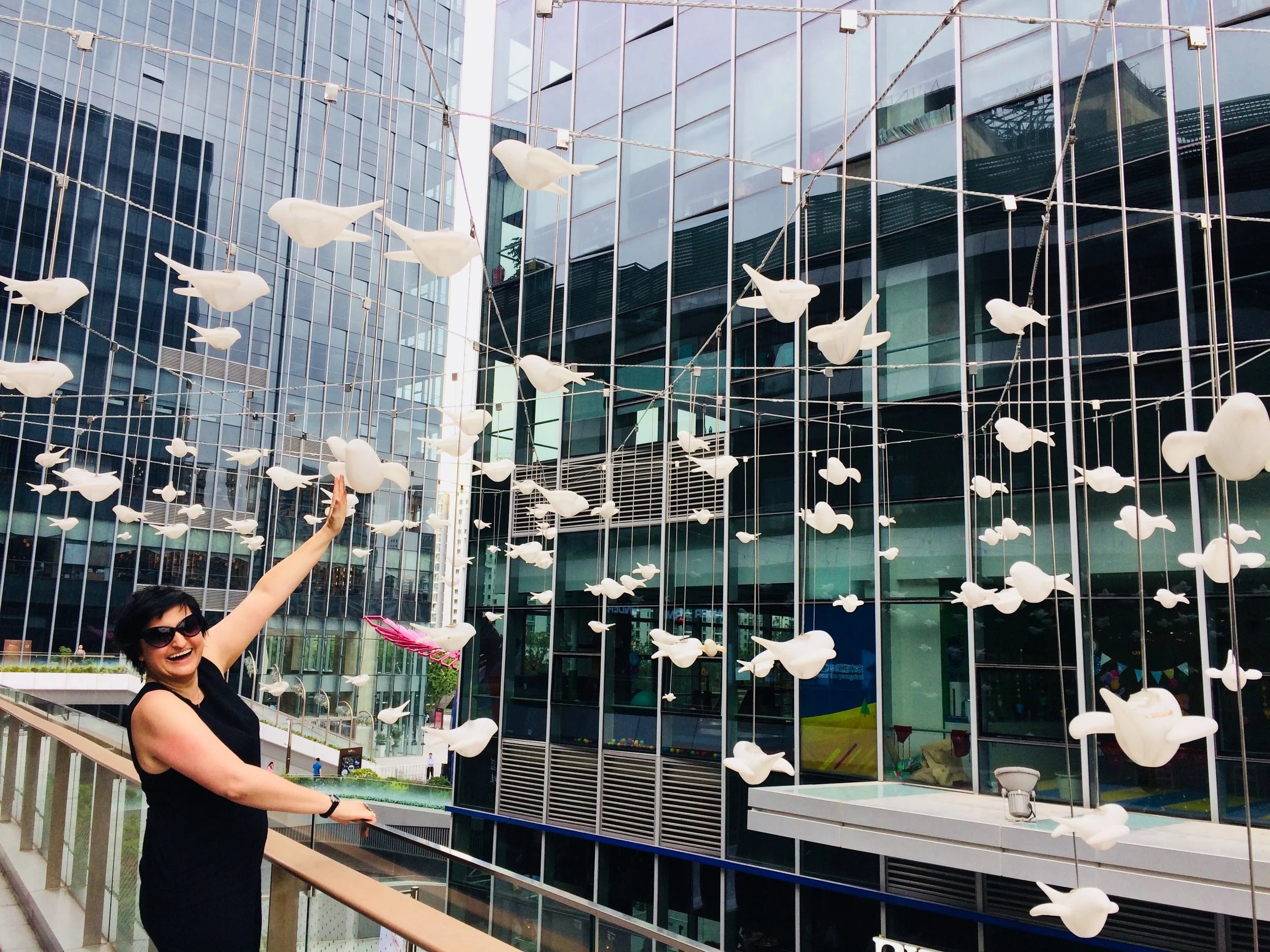
But two things can exist at once.
You can feel grateful and lonely.
Excited and overwhelmed.
Certain about the move and still grieving what you left behind.
These experiences do not cancel each other out.
Some of my happiest experiences abroad existed alongside some of my loneliest moments.
It took me years to understand that both could be true at the same time.
I know what it feels like to miss people, places, and versions of yourself all at once.
How Expat Grief Shows Up
Expat grief does not always look like sadness.
Sometimes it looks like:
- homesickness that lingers longer than expected
- anxiety or emotional exhaustion
- feeling disconnected from yourself
- guilt for leaving family behind
- struggling to feel “at home”
- questioning your decision to move
- feeling like you are functioning, but not fully present
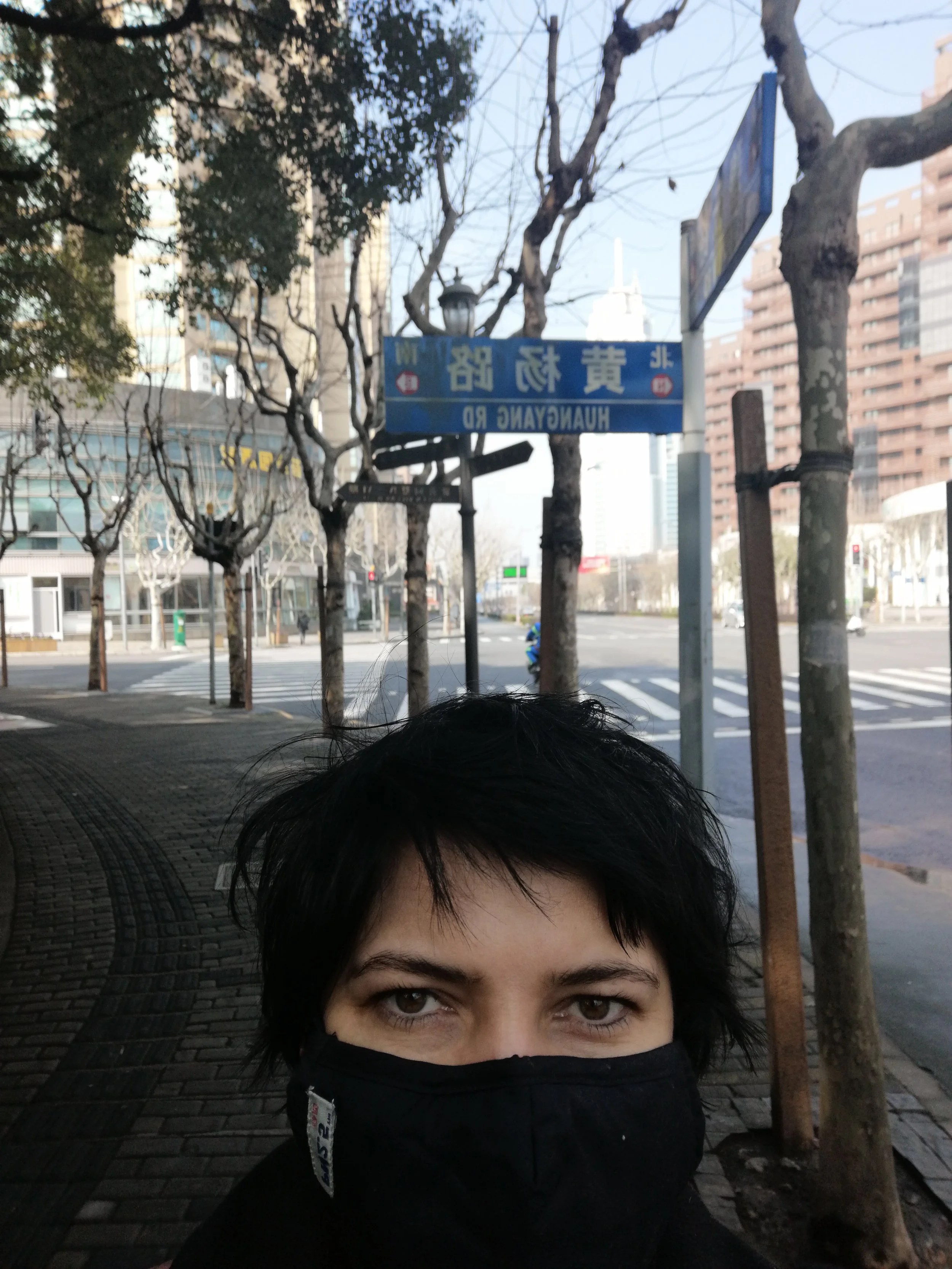
For some women, it becomes a loss of identity.
You may no longer feel like the version of yourself you once knew.
Everything around you is unfamiliar:
- language
- systems
- routines
- social dynamics
- even small daily interactions
Over time, this can create a feeling of living “between worlds.”
Living across different countries, I sometimes felt like I became a different version of myself in every place.
Adaptable on the outside.
But internally unsure which version was really “home.”
And that experience can feel incredibly isolating.
There were also periods where I felt deeply connected to the world around me… and at the same time disconnected from myself.
Why Talking About It Isn’t Always Enough
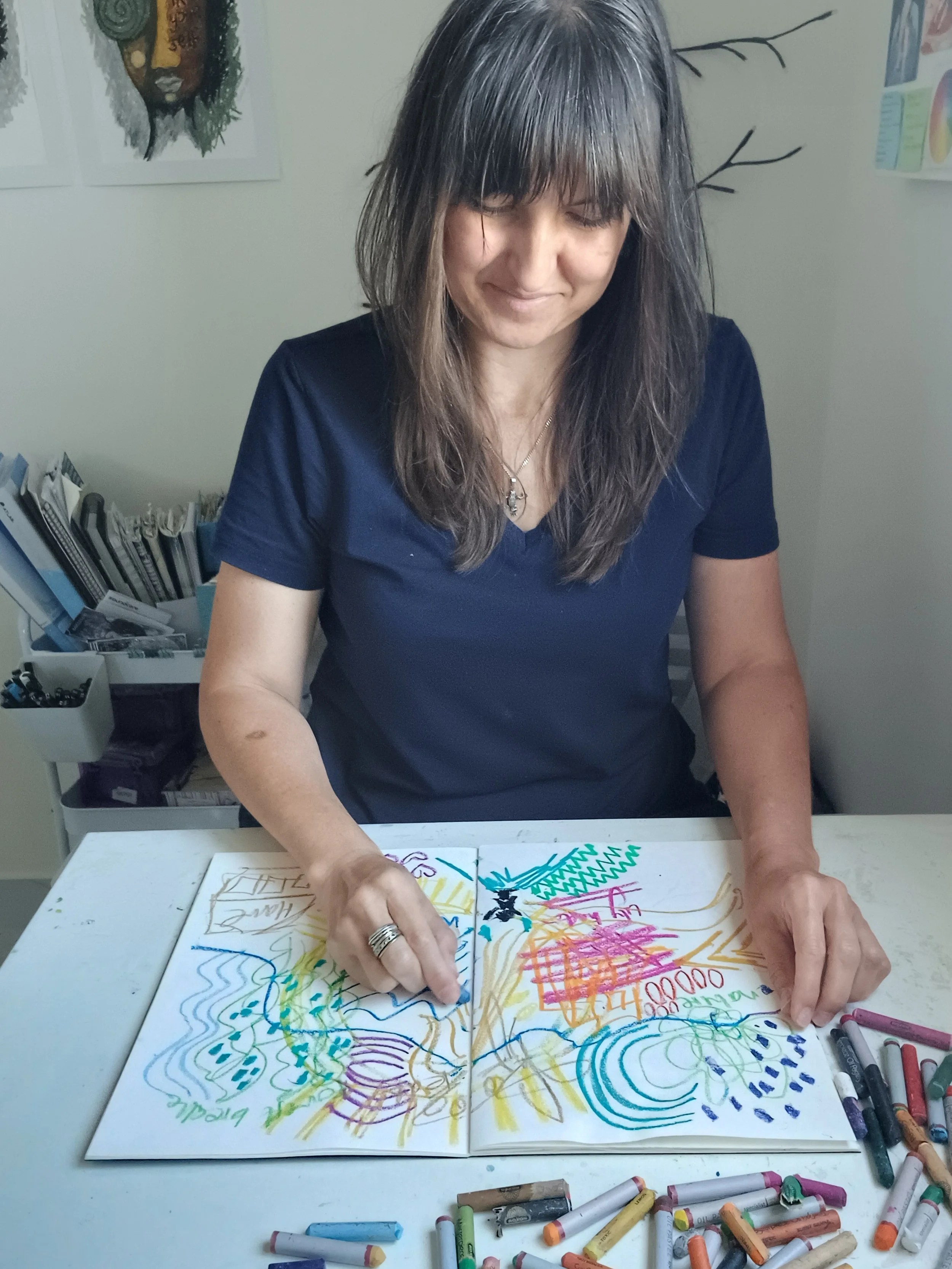
One thing I often notice in my work is that many people can explain their experience perfectly.
They understand what’s happening logically.
But their emotions and body have not fully caught up yet.
I remember understanding my own struggles intellectually long before I actually felt settled emotionally.
My mind had adapted long before my nervous system did.
That’s because experiences like grief, displacement, and identity shifts are not only intellectual experiences.
They are emotional and physical ones too.
This is why therapeutic art can be so powerful.
Not because people need to be artistic.
But because creativity allows us to express things that are difficult to explain in words.
Through simple guided art and reflection practices, people can begin to:
- process what they are holding
- reconnect with themselves
- understand emotions more deeply
- create a sense of grounding again
Sometimes emotions need to be seen, felt, or expressed visually before they can fully move.
Coming Home to Yourself
One of the phrases I often use in my work is:
coming home to your yourself.
Because for many women living abroad, the goal is not just adjusting to a new country.
It’s learning how to feel connected to themselves again within that new life.
Slowly.
Gently.
Without forcing themselves to “just be positive.”
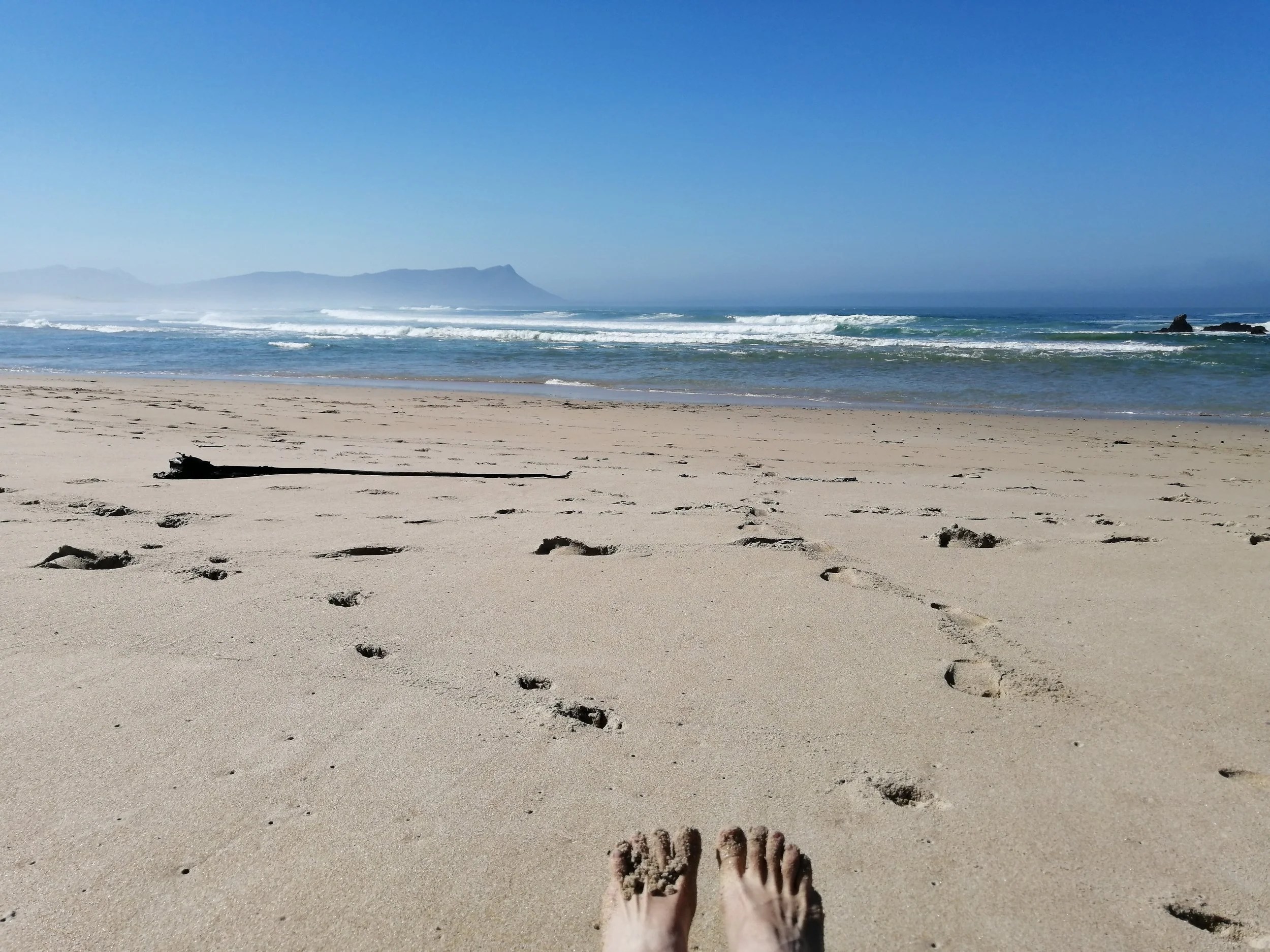
For me, this did not happen all at once.
It happened slowly through small moments:
journaling, creativity, movement, time in nature, and allowing myself to feel what I had been trying to push away.
Over time, those moments helped me feel more present in my own life again.
When people are given space to process both the excitement and the grief of moving abroad, they often begin to settle more fully into their lives.
Not because they erased the loss.
But because they finally allowed themselves to acknowledge it.
Nothing Has Gone Wrong
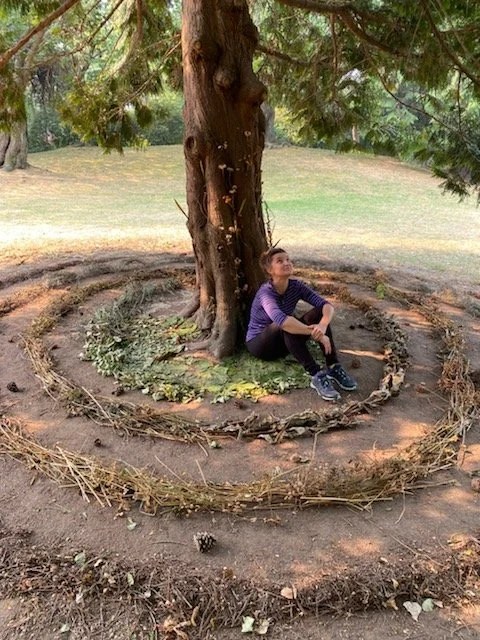
I think this is the most important thing I want women living abroad to understand:
Feeling grief does not mean your move was a mistake.
It means something meaningful was left behind.
And when that grief is acknowledged instead of ignored, it becomes much easier to create a life abroad that feels real, grounded, and truly your own.
I wish someone had told me this years ago.
I spent a long time believing that struggling emotionally meant I was failing at the life I had chosen.
But nothing has gone wrong.
Sometimes what you are feeling is not something to push through.
It is something to gently listen to.
And often, healing begins in very simple ways.
Not by forcing clarity.
But by creating space to feel, express, and slowly come back to yourself again.
If you’re navigating the emotional side of living abroad and want support reconnecting with yourself through guided art and reflection, you can explore the Healing Art Journey here:
Healing Art Journey


Hi Jannaline
Jy wil seker bietjie Afrikaans lees : hierdie is een van jou beste rubrieke nog!
Sterkte en liefde
Oom Sak
LikeLiked by 1 person
Baie baie dankie!!! Ek het besef daar is so baie dele van reis wat mens nie deel nie en wat ander mense nie altyd bewus van is nie. Ons deel net altyd die lekker….so ek probeer nou ook die ander kant deel. baie dankie.
LikeLike
You express it so well, Janaline. I’m happy you’ve found some answers xx
LikeLiked by 1 person
Thank you so much Jo!! Finding Art Therapy has changed my whole careeer path. It has also changed the way I move and do things, and even the way I travel as well!
LikeLiked by 1 person
There are pieces of this post I can truly agree with from experience. This is an honest reflection on expat life. There is this quiet grief beneath all the “new adventure” narratives, and a gentle way to slow things down and find yourself, find home, is something necessary if expats are to survive moving around as needed. That feeling of both gratitude and heaviness at the same time doesn’t mean anything has gone wrong; it is a well-earned prize for an amazing set of experiences.
LikeLiked by 1 person
That is so true Dala!! I found this quote by Pico Iyer after I posted this poiece and thought it really does capture how we expats start to view home : For more and more of us, home has less to do with a piece of soil than a piece of soul.
LikeLike